Anxiety and Worry: Understanding the Brain's "False Alarms"
2026.03.13
Hello, I am Tatsuya Arakawa, a Licensed Marriage and Family Therapist (LMFT) in California. In this blog post, I would like to discuss the nature of anxiety and worry.
What are Anxiety and Worry?
"What if..." or "What will I do if..."—everyone has had these thoughts. Thinking this way is a natural human process; in fact, without this ability, we might find ourselves in dangerous situations. However, when these thoughts become excessive, it may be a sign of a mental health concern.
An Ancient Survival Skill
Anxiety is an evolutionary ability to imagine the future. It is because of this trait that humans have been able to survive for so long. In ancient times, when survival was a day-to-day struggle, the capacity for "anxiety and worry" was constantly necessary. It allowed us to face threats, such as encountering a bear, by instantly choosing between "Fight, Flight, or Freeze" to protect ourselves.
Excessive Anxiety = A Brain Malfunction
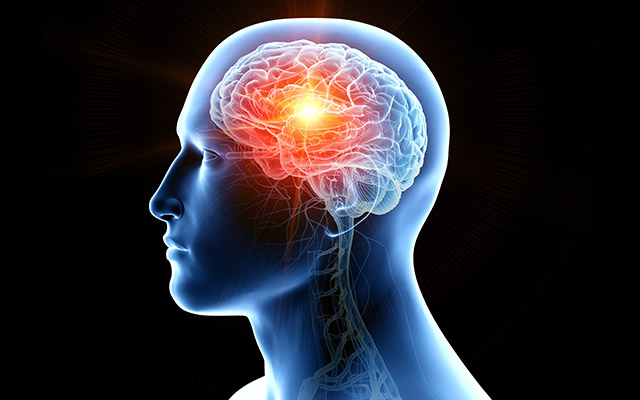
The part of the brain responsible for feelings of anxiety and worry is the amygdala.
When we encounter a dangerous situation, the amygdala reacts faster than any other part of the brain, commanding the body to fight, flee, or freeze. As a result, the body undergoes various physical changes:
-
Increased heart rate
-
Sweating
-
Shallow breathing
These reactions prepare the body to respond to a crisis. While this is a normal response, for some individuals, the amygdala begins to overreact due to various factors. This overactivity is what leads to clinical mental health issues.
In modern times, we rarely face life-or-death situations daily. However, without the capacity for anxiety, we would recklessly engage in dangerous behavior. In fact, there is a documented case of a woman whose amygdala ceased to function; despite being told repeatedly, she could not understand the danger of walking alone at night.
Causes of Amygdala Malfunction
1. Thinking Patterns
One reason the amygdala malfunctions is the influence of the prefrontal cortex. This is the part of the brain responsible for logical thinking, and it is strongly connected to the amygdala. If the prefrontal cortex engages in patterns of thought that generate anxiety, the amygdala may trigger a "false alarm" even when no danger is present.
2. Lifestyle
The amygdala is also heavily influenced by lifestyle. For example, research shows that a lack of adequate sleep reduces the frequency of REM sleep, making the amygdala more prone to malfunctioning.
3. Trauma
Another potential cause is past trauma. When we encounter objects, places, or sounds that remind us of a traumatic event, the amygdala can misfire, triggering a stress response.
Diagnostic Criteria for Anxiety Disorders
One of the mental health conditions resulting from these malfunctions is Generalized Anxiety Disorder (GAD). Below are the general diagnostic criteria:
-
Excessive anxiety and worry occurring more days than not for at least 6 months.
-
Finding it difficult to control the worry.
-
The anxiety and worry are associated with at least three of the following symptoms:
-
Restlessness or feeling keyed up
-
Being easily fatigued
-
Difficulty concentrating or mind going blank
-
Irritability
-
Muscle tension
-
Sleep disturbance (difficulty falling or staying asleep, or restless sleep)
-
For an anxiety disorder self-assessment, please click here.
Note: A formal diagnosis must be made by a mental health professional. Please use these criteria for reference only. If a screening suggests you should seek help, please feel free to contact me.
In my next blog post, I will discuss coping strategies for managing excessive anxiety and worry.
Tatsuya Arakawa, LMFT Licensed Marriage and Family Therapist (California)